

The new Kenya food safety plan, a national Codex strategic plan for 2026 to 2031, aims to strengthen food safety systems. It also seeks to protect consumers and make local food more competitive in regional and global markets.
How the Kenya food safety plan tackles aflatoxin
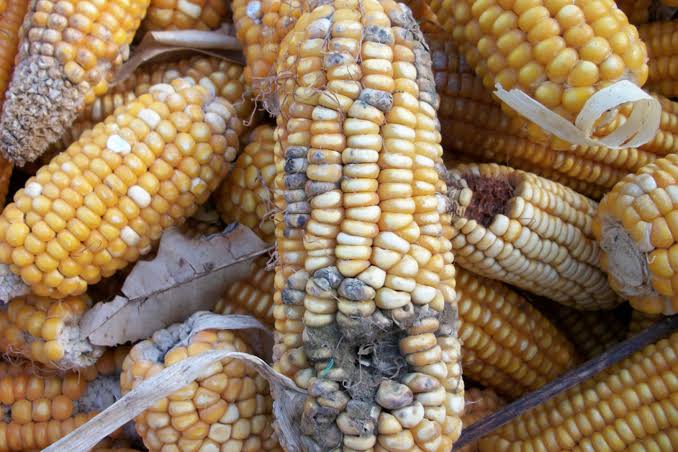
Aflatoxin contamination affects nuts and cereals, making it a central concern under the Kenya food safety plan. The toxin continues to endanger public health, food security, and trade. At the launch, policymakers received policy briefs with clear steps to manage, monitor, and prevent aflatoxins nationwide.
A stronger voice in global food safety standards
Under the Kenya food safety plan, the country will seek greater influence in setting international food standards. This ensures global rules on food production, safety, and cross-border trade reflect Kenya’s interests and technical expertise.
The plan also sets a framework for closer coordination among government agencies, regulators, researchers, consumer groups, and the private sector. It emphasizes science-based decisions and boosts investment in food safety programmes.
Read Also: New Study Shows Toxic Pesticides In Sukuma, Tomatoes And Maize In Kenya
Who will lead the Kenya food safety plan
The National Codex Committee, which the Kenya Bureau of Standards (KEBS) coordinates, will oversee the rollout. The committee will drive implementation through stronger stakeholder engagement, scientific participation, and resource mobilisation.
KEBS organised the launch through the committee. They worked alongside the Agriculture and Food Authority’s Nuts and Oil Crops Directorate and the Kenya Association of Manufacturers.
A call to action for food safety stakeholders
Leaders urged stakeholders to turn the strategy into action by aligning their programmes and budgets with its priorities. They also asked government agencies to improve coordination across the agriculture, health, standards, and trade sectors.
What the Kenya food safety plan means for consumers
The plan will improve how Kenya applies international food standards. Ultimately, this strategy will boost consumer confidence and open better market opportunities for Kenyan products.