

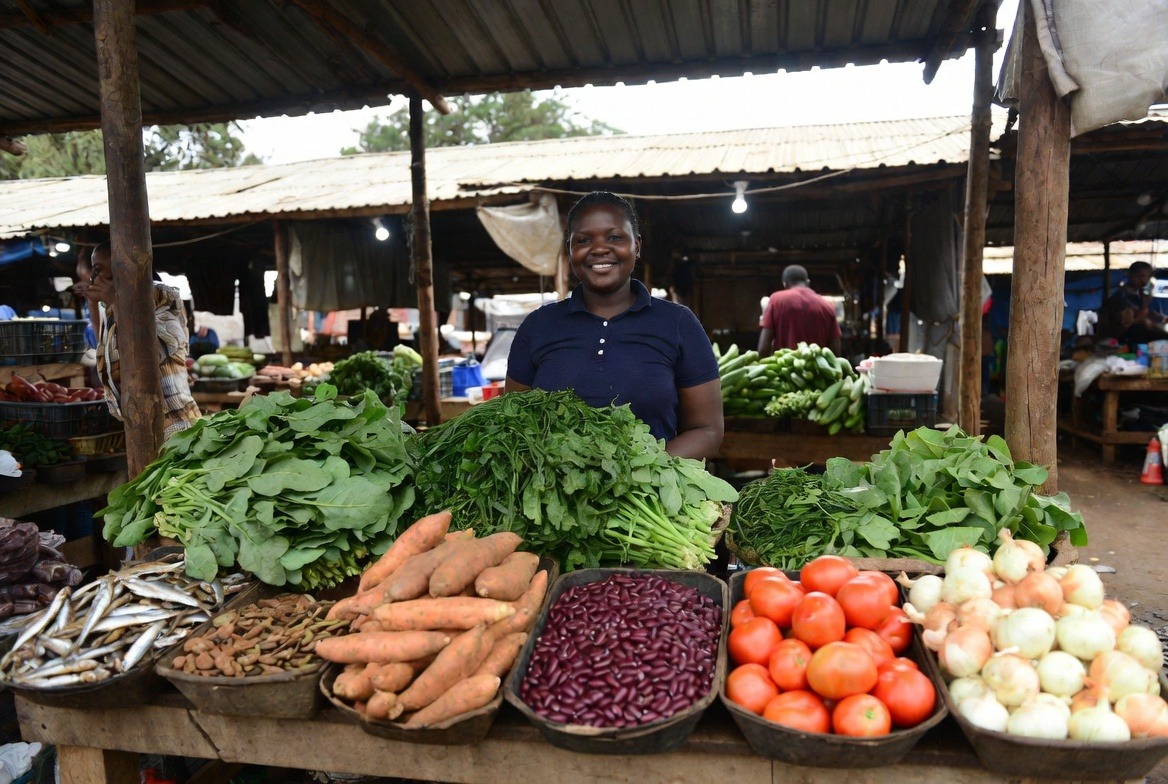
This guide is for every Kenyan family feeling the squeeze – whether you are a working parent in Eastlands, a small-scale farmer in Murang’a, or a student in Kisumu trying to eat sensibly on a tight budget. Good nutrition is not a privilege. With the right knowledge, it is achievable on a modest income. Understanding What Your Body Actually Needs
Before we talk about specific foods, let us quickly map out what a balanced diet requires – because understanding the basics helps you make smarter choices regardless of your budget.
- Carbohydrates: Your body’s primary energy source. Found in grains, tubers, and legumes.
- Proteins: Essential for growth, repair, and immunity. Found in legumes, meat, eggs, dairy, and fish.
- Fats: Critical for brain function and nutrient absorption. Found in nuts, seeds, dairy, and oils.
- Vitamins and Minerals: Required in small amounts for virtually every bodily function. Found in fruits and vegetables.
- Fibre: Supports digestive health and reduces risk of chronic disease. Found in wholegrains, vegetables, and legumes.
Kenya’s Most Nutritious Affordable Foods 1. Sukuma Wiki (Kale)
Its name literally means ‘to push through the week’ – and nutritionally, it earns that title. Sukuma wiki is one of the most nutrient-dense foods available in Kenya, packed with vitamins A, C, and K, calcium, iron, and fibre. At Ksh 10-20 per bunch in most markets, it is also among the cheapest vegetables available. A family that eats sukuma wiki three to four times a week is getting a significant portion of their daily micronutrient needs.
Tip: Avoid overcooking. Lightly sautéing in a small amount of oil preserves more nutrients than boiling.
2. Beans, Lentils, and Other Legumes
Beans – whether kidney beans, black-eyed peas, chickpeas, or green grams (ndengu) – are a nutritional powerhouse. They are rich in plant-based protein, complex carbohydrates, iron, zinc, and B vitamins, including folate which is critical during pregnancy. A kilogram of dry beans costs between Ksh 150 and Ksh 200 and feeds a family of four multiple meals.
Combining legumes with a grain – beans and ugali, ndengu and rice – creates a complete protein profile, comparable to animal protein at a fraction of the cost.
3. Sweet Potatoes and Arrow Roots (Nduma)
These humble tubers are nutritional stars. Sweet potatoes are exceptionally rich in beta-carotene, which the body converts to Vitamin A – essential for vision, immunity, and skin health. Arrow roots are high in potassium, magnesium, and resistant starch, which feeds beneficial gut bacteria. Both are filling, affordable (Ksh 20-40 per kilogram), and versatile – they can replace expensive refined carbohydrates like white rice or chapati in daily meals.
4. Eggs
Eggs are arguably the best value protein source available in Kenya. A single egg contains high-quality protein, healthy fats, vitamins D and B12, iron, and choline – a nutrient critical for brain development in children. At approximately Ksh 15-20 per egg, one or two eggs per day provide substantial nutritional benefit for children and adults alike.
5. Fermented Milk (Mursik / Maziwa Lala)
Kenya’s tradition of fermented milk is a nutritional and economic asset. Fermented dairy products are rich in calcium, protein, and probiotics – beneficial bacteria that support gut health and immunity. Mursik (traditional Kalenjin fermented milk) and maziwa lala are widely available in many parts of Kenya and are often more affordable than fresh milk. Including a cup daily, particularly for children, supports bone development and digestive health.
6. Omena (Dagaa / Small Dried Fish)
Omena – tiny dried lake fish eaten whole – are one of the most nutrient-dense and affordable animal proteins in Kenya. Because they are eaten whole, including the bones, they are exceptionally rich in calcium, omega-3 fatty acids, vitamin D, and complete protein. A family-sized portion costs as little as Ksh 50-100. They are especially valuable for families who cannot afford larger fish or meat regularly. A Sample Budget Weekly Meal Plan (Family of 4)
Here is a practical, nutritionally balanced week of meals built around affordable local foods. Estimated total food cost: Ksh 3,000-3,500.
- Monday: Ugali + Sukuma wiki + omena
- Tuesday: Sweet potato + beans stew + kachumbari (tomato, onion, lemon)
- Wednesday: Brown rice + ndengu (green grams)
- Thursday: Ugali + sautéed managu (African nightshade) + 2 eggs per person
- Friday: Arrow root + bean soup
- Saturday: Ugali + fish (if budget allows) or omena + sukuma wiki
- Sunday: A more varied family meal incorporating seasonal fruits or a small portion of meat if budget allows.
Fruits like mangoes, pawpaw, and bananas – when in season – are extremely affordable and add important vitamins. Buy what is in season; it is cheaper and fresher.
Practical Tips to Stretch Your Food Budget
- Buy in bulk from open-air markets (not supermarkets) where prices are significantly lower.
- Cook dried beans from scratch rather than buying canned – far cheaper per serving.
- Grow what you can. Even in urban settings, a small container garden of sukuma wiki, tomatoes, or herbs adds nutrition at near-zero cost.
- Reduce food waste by planning meals and using vegetable scraps in soups and stocks.
- Diversify your grains – millet and sorghum are nutritious and sometimes cheaper than maize, and have a lower glycaemic index. “Nutritious food in Kenya does not require an expensive supermarket basket. It requires knowledge – and a trip to your nearest open-air market.”
Children under five and pregnant or breastfeeding women have heightened nutritional needs. For young children, prioritize eggs, omena, legumes, and orange-fleshed sweet potato for vitamins and proteins critical to brain development. For pregnant women, folate-rich foods (beans, lentils, dark leafy greens) are essential for preventing neural tube defects. Iron from plant sources is better absorbed when eaten alongside Vitamin C-rich foods – squeeze lemon over your beans stew.
If you are pregnant or have young children and face genuine food insecurity, contact your nearest health centre about nutrition support programmes, many of which are available through county health departments. The Bigger Picture
Eating well on a budget is not just about individual food choices – it is also about Kenya investing in food systems that make nutritious food accessible and affordable to all citizens. Subsidies on nutritious local staples, support for smallholder farmers, and school feeding programmes are all tools that governments can deploy. As individuals, we can advocate for these policies while making the best food decisions possible within our current means.
You do not need to eat expensive ‘superfoods’ imported from abroad. Kenya grows its own superfoods. They are in your local market, waiting.