

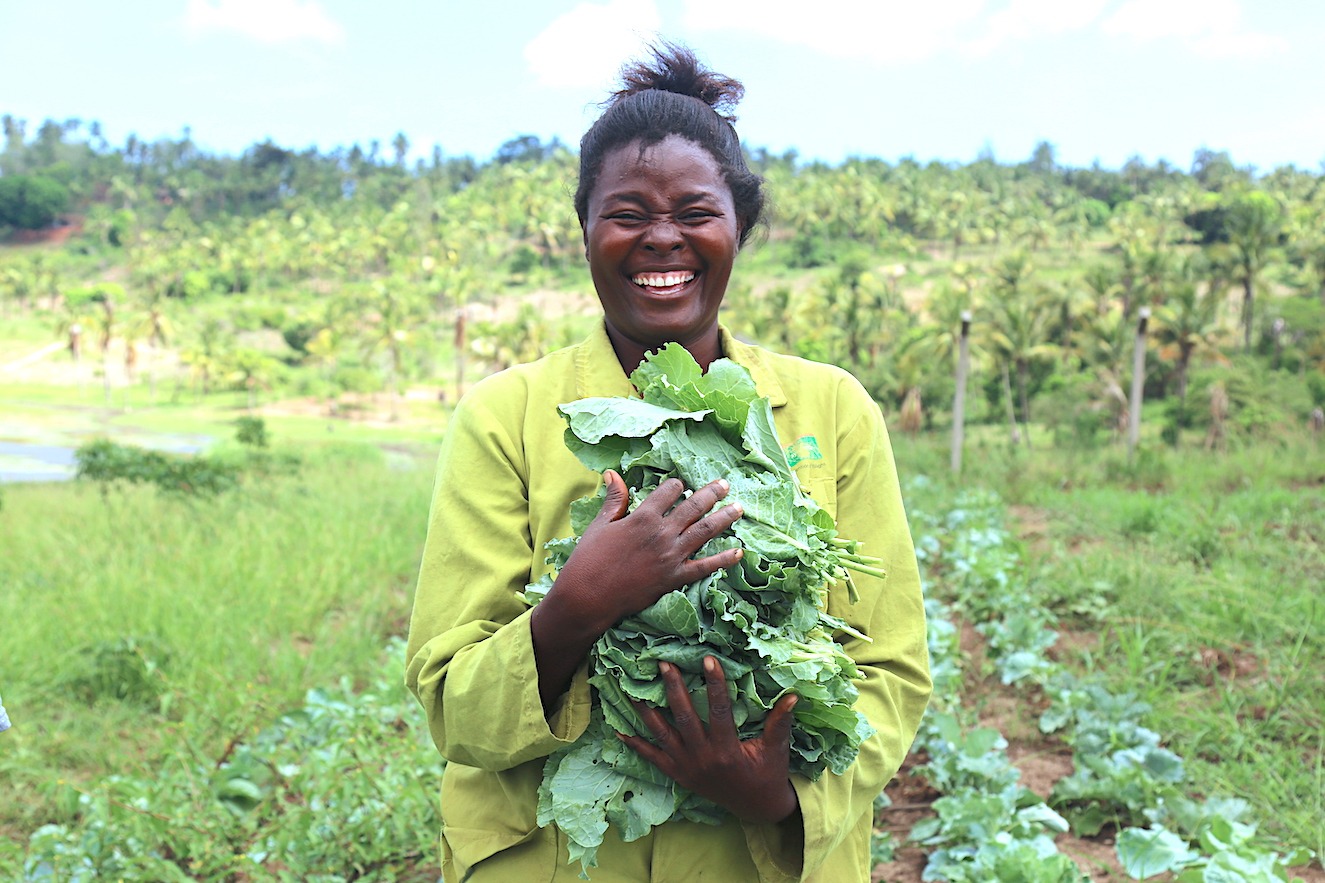
Welcome to our blog post on holistic lifestyle and prevention, where we will be exploring the importance of adopting a healthy and balanced lifestyle to prevent non-communicable diseases (NCDs) and promote overall health and wellbeing. As we all know, Kenya has been facing a growing burden of NCDs, with 40% of Kenyans suffering from at least one NCD. However, by making simple changes to our daily habits and lifestyles, we can significantly reduce our risk of developing these diseases and improve our overall health.
Introduction to Holistic Lifestyle and Prevention
A holistic lifestyle and prevention approach focuses on addressing the social determinants of health, such as poverty and education, and promoting a multi-sectoral approach to health and wellbeing. This includes partnerships with government, private sector, and community-based organizations to promote health education and awareness, improve access to healthy food options and clean water, sanitation, and hygiene facilities, and provide community-based health outreach services.
In Kenya, the Ministry of Health has launched several initiatives to promote holistic lifestyle and prevention, including the “Healthy Kenya Initiative” and the “School Health Program”. These initiatives aim to reduce the burden of NCDs and promote overall health and wellbeing by promoting healthy eating habits, improving access to clean water, sanitation, and hygiene facilities, and providing community-based health outreach services.
Nutrition and Hygiene: The Foundation of a Healthy Lifestyle
Nutrition and hygiene are two of the most critical components of a healthy lifestyle. A balanced diet that includes plenty of fruits, vegetables, and whole grains can help to prevent NCDs such as diabetes, hypertension, and heart disease. On the other hand, a diet that is high in sugary drinks and unhealthy snacks can increase our risk of developing these diseases.
In Kenya, 70% of Kenyans do not consume the recommended daily intake of fruits and vegetables, and 60% of Kenyans do not have access to clean water and sanitation facilities. This is why the Ministry of Health’s “School Health Program” is so important, as it aims to improve nutrition and hygiene in schools across Kenya. The program includes training for teachers and school administrators on nutrition and hygiene, as well as the provision of resources and materials to support healthy eating and hygiene practices.
Some simple tips for improving our nutrition and hygiene habits include:
Eating at least five servings of fruits and vegetables per dayDrinking at least eight glasses of clean water per day
Washing our hands regularly with soap and clean water
Avoiding sugary drinks and unhealthy snacks
Community-Based Health Outreach: A Key to Promoting Health Education and Awareness
Community-based health outreach is a critical component of a holistic lifestyle and prevention approach. By providing health education and outreach services to community members, we can promote healthy behaviors and improve access to health care services. In Kenya, community-based health outreach programs have shown promise in reducing NCDs such as diabetes, hypertension, and heart disease.
The “Community Health Outreach Program” is a great example of a community-based health outreach program that has been successful in promoting health education and awareness in Kenya. The program uses community health workers to provide health education and outreach services to community members, and has been shown to be effective in promoting healthy behaviors such as regular physical activity and healthy eating.
Some simple tips for promoting health education and awareness in our communities include:
Participating in community-based health outreach programsSharing health information and resources with our friends and family
Supporting community-based health initiatives and organizations
Advocating for policies and programs that promote health and wellbeing
Conclusion
In conclusion, adopting a holistic lifestyle and prevention approach is critical to reducing the burden of NCDs and promoting overall health and wellbeing in Kenya. By making simple changes to our daily habits and lifestyles, we can significantly reduce our risk of developing these diseases and improve our overall health. We can also promote health education and awareness in our communities by participating in community-based health outreach programs, sharing health information and resources, supporting community-based health initiatives and organizations, and advocating for policies and programs that promote health and wellbeing.
Let us all work together to promote a culture of health and wellbeing in Kenya, and to reduce the burden of NCDs in our country. By doing so, we can create a healthier, happier, and more productive society for all.
Call to Action
We urge all Kenyans to take action and adopt a holistic lifestyle and prevention approach to reduce their risk of developing NCDs and promote overall health and wellbeing. Here are some simple steps you can take:
Start by making small changes to your daily habits and lifestyle, such as eating more fruits and vegetables, drinking more clean water, and washing your hands regularlyParticipate in community-based health outreach programs and share health information and resources with your friends and family
Support community-based health initiatives and organizations, and advocate for policies and programs that promote health and wellbeing
Join the conversation on social media using the hashtag #HealthyKenya, and share your own tips and stories on how you are promoting a holistic lifestyle and prevention approach in your community
Together, we can create a healthier, happier, and more productive society for all Kenyans. Let us take the first step today!