

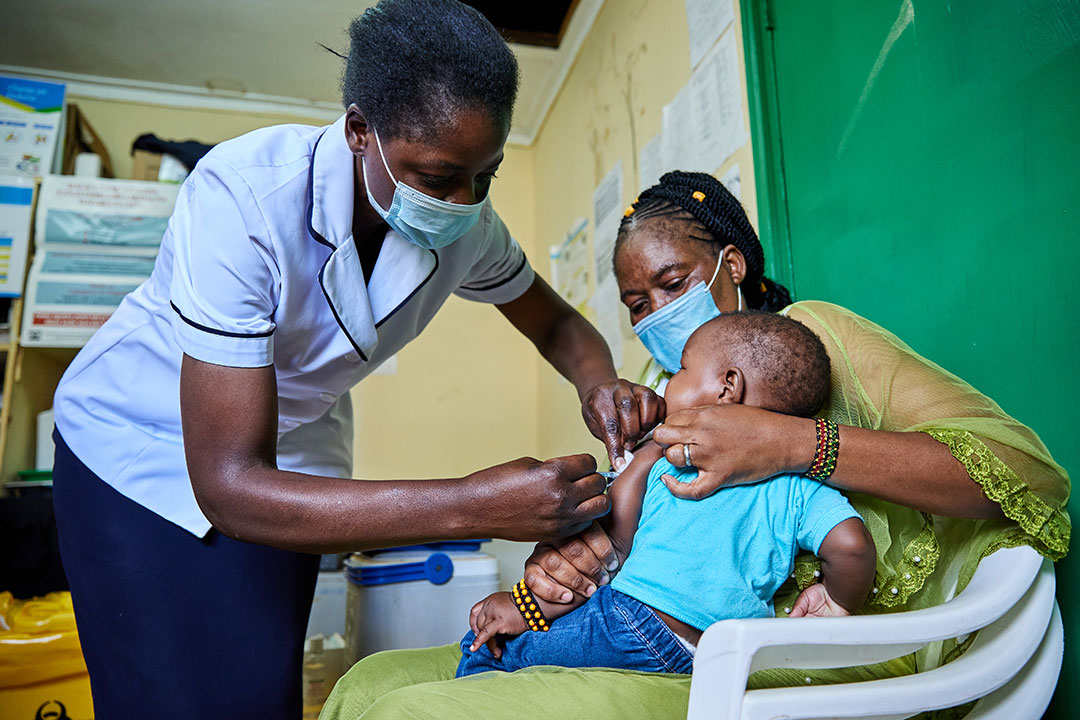
The Kenyan government has recently launched several groundbreaking initiatives and policies aimed at improving the health and wellbeing of its citizens. The Ministry of Health has been at the forefront of these efforts, introducing a new policy to prevent and control non-communicable diseases (NCDs), rolling out a new vaccine to protect against malaria, and launching a new initiative to improve healthcare for mothers and newborns. In this blog post, we will delve into the details of these initiatives and explore their potential impact on Kenya’s health landscape.
Preventing and Controlling Non-Communicable DiseasesNon-communicable diseases (NCDs) are the leading cause of death and disability in Kenya, accounting for over 50% of all deaths in the country. The new policy launched by the Ministry of Health aims to reduce the burden of NCDs by outlining strategies for prevention, early detection, and management. The policy focuses on four main areas: cancer, diabetes, heart disease, and chronic respiratory diseases. It also emphasizes the importance of lifestyle changes, such as healthy eating, regular physical activity, and avoiding tobacco and excessive alcohol consumption.
The policy is a significant step forward in addressing the growing burden of NCDs in Kenya. By providing a comprehensive framework for prevention and control, the government is demonstrating its commitment to reducing the impact of these diseases on individuals, families, and communities. The policy also recognizes the importance of multi-sectoral collaboration, involving not only the health sector but also other sectors such as education, agriculture, and transportation. Protecting Against Malaria with the New RTS,S Vaccine
Malaria is a major public health problem in Kenya, causing thousands of deaths and illnesses every year. The rollout of the new RTS,S vaccine is a significant milestone in the fight against malaria. The vaccine has been shown to be effective in preventing malaria in children and will be administered to children under the age of two. This is a critical age group, as children under two are most vulnerable to malaria and are at highest risk of death and disability from the disease.
The introduction of the RTS,S vaccine is part of a broader effort to reduce the burden of malaria in Kenya. The government has also been working to improve access to other malaria prevention and treatment tools, such as insecticide-treated bed nets and artemisinin-based combination therapies. The RTS,S vaccine is a valuable addition to these efforts, offering a new and effective way to protect children from malaria. Improving Healthcare for Mothers and Newborns
Maternal and newborn mortality rates remain high in Kenya, with many women and babies dying from preventable causes. The new initiative launched by the Ministry of Health aims to address this issue by improving access to quality healthcare services, promoting healthy behaviors and practices, and strengthening the healthcare system. The initiative will focus on improving prenatal care, delivery services, and postnatal care, as well as promoting breastfeeding, immunization, and other healthy practices.
The initiative is a critical step forward in reducing maternal and newborn mortality rates in Kenya. By improving access to quality healthcare services and promoting healthy behaviors and practices, the government is demonstrating its commitment to ensuring that all women and babies have access to the care they need to survive and thrive. The initiative also recognizes the importance of community involvement, working with local communities and healthcare providers to promote healthy practices and improve healthcare outcomes.
Advice for the Public
These new initiatives and policies offer a range of opportunities for individuals and communities to get involved and make a positive impact on their health and wellbeing. Here are some tips for the public:1. Take advantage of the new RTS,S vaccine: If you have a child under the age of two, make sure they receive the RTS,S vaccine to protect them from malaria.
2. Make healthy lifestyle choices: Eat a healthy diet, engage in regular physical activity, and avoid tobacco and excessive alcohol consumption to reduce your risk of NCDs.
3. Access prenatal and postnatal care: If you are pregnant or have recently given birth, make sure to access prenatal and postnatal care to ensure you and your baby receive the care you need.
4. Get involved in your community: Join local health initiatives and advocacy groups to promote healthy practices and improve healthcare outcomes in your community.
5. Stay up-to-date with the latest health news and information, and share what you learn with your friends and family to promote a culture of health and wellbeing.
In conclusion, the new initiatives and policies launched by the Ministry of Health offer a range of opportunities for improving the health and wellbeing of Kenyans. By working together and taking advantage of these initiatives, we can create a healthier, more equitable society for all. As individuals, we have a critical role to play in promoting healthy practices, accessing healthcare services, and advocating for policies and initiatives that support our health and wellbeing. Let us work together to build a brighter, healthier future for Kenya.