

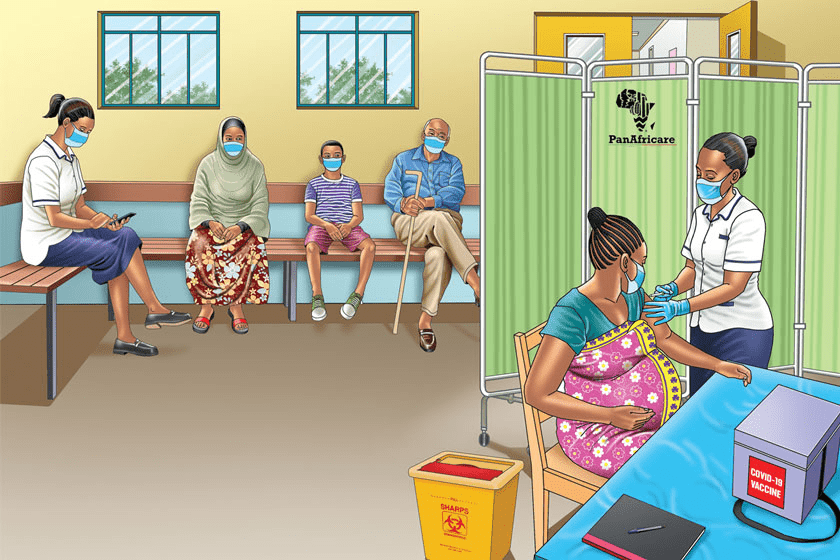
As we strive to achieve the Sustainable Development Goals (SDGs) by 2030, it is imperative that we prioritize public health advocacy, with a focus on universal health coverage (UHC). UHC is a fundamental human right, ensuring that all individuals have access to essential health services without facing financial hardship. In this blog post, we will delve into the current state of UHC, the challenges we face, and the policy-focused solutions that can help us accelerate progress towards achieving UHC in Kenya.
The State of Universal Health Coverage
According to the World Health Organization (WHO), UHC means that all people have access to the full range of quality health services they need, when and where they need them, without financial hardship. The WHO has set two indicators to measure progress towards UHC: the UHC service coverage index and the proportion of the population facing financial hardship in health. Globally, the strongest gains in UHC were made between 2000 and 2015, with an annualized rate of improvement in the service coverage index of 1.5%. However, this progress has slowed down since 2015, with the current trajectory indicating that the world will not achieve UHC by 2030.
Challenges in Achieving Universal Health Coverage
Despite the progress made, there are several challenges that hinder the achievement of UHC. Inequalities in service coverage between countries have narrowed, but disparities within countries persist. The poorest segments of the population, people with disabilities, and rural residents face significant barriers in accessing healthcare services. Furthermore, out-of-pocket health spending continues to be a major challenge, with 3 out of 4 people among the poorest segment of the population facing financial hardship from health costs.Policy-Focused Solutions
To address these challenges, we need stronger policies that reduce out-of-pocket spending, expand essential health services, and strengthen publicly-funded prepaid coverage. Some of the policy-focused solutions that can help us accelerate progress towards UHC include:
Reducing out-of-pocket spending: Implementing policies that reduce out-of-pocket spending, especially for the poor and for those on medicines, can help alleviate financial hardship and ensure that everyone has access to essential health services.Expanding essential health services: Expanding essential health services, including non-communicable disease (NCD) and primary healthcare services, can help address the growing burden of NCDs and ensure that everyone has access to quality healthcare.
Strengthening publicly-funded prepaid coverage: Strengthening publicly-funded prepaid coverage can help reduce financial hardship and ensure that everyone has access to essential health services, regardless of their income or social status.
Adopting multisectoral approaches: Adopting multisectoral approaches that address the broader determinants of health, including social and economic factors, can help reduce health inequalities and ensure that everyone has access to quality healthcare.
The Role of Public Health Advocacy
Public health advocacy plays a critical role in accelerating progress towards UHC. Advocacy efforts can help raise awareness about the importance of UHC, mobilize resources and support, and push for policy changes that promote health equity and access to quality healthcare. In Kenya, public health advocacy can help address the specific challenges we face, including the high burden of infectious diseases, the growing burden of NCDs, and the significant disparities in healthcare access and outcomes.Healthy Kenya Vision
The Healthy Kenya vision is to ensure that all Kenyans have access to quality healthcare, without facing financial hardship. To achieve this vision, we need to prioritize public health advocacy, with a focus on UHC. This includes advocating for policies that reduce out-of-pocket spending, expand essential health services, and strengthen publicly-funded prepaid coverage. We also need to work with stakeholders, including government, civil society, and the private sector, to mobilize resources and support for UHC.
Conclusion
In conclusion, public health advocacy is critical to accelerating progress towards UHC in Kenya. We need to prioritize advocacy efforts that promote health equity, access to quality healthcare, and financial protection. By working together, we can ensure that all Kenyans have access to essential health services, without facing financial hardship, and achieve the Healthy Kenya vision. Let us join forces to make UHC a reality in Kenya and ensure that everyone has access to quality healthcare, regardless of their income or social status.
Call to Action: Join us in advocating for UHC in Kenya. Share this blog post with your network, and let us work together to make UHC a reality in Kenya.
Follow us: For more information on public health advocacy and UHC in Kenya, follow us on social media and subscribe to our newsletter.
Get involved: Join our advocacy efforts and help us make a difference in the lives of Kenyans. Together, we can achieve UHC and ensure that everyone has access to quality healthcare.