

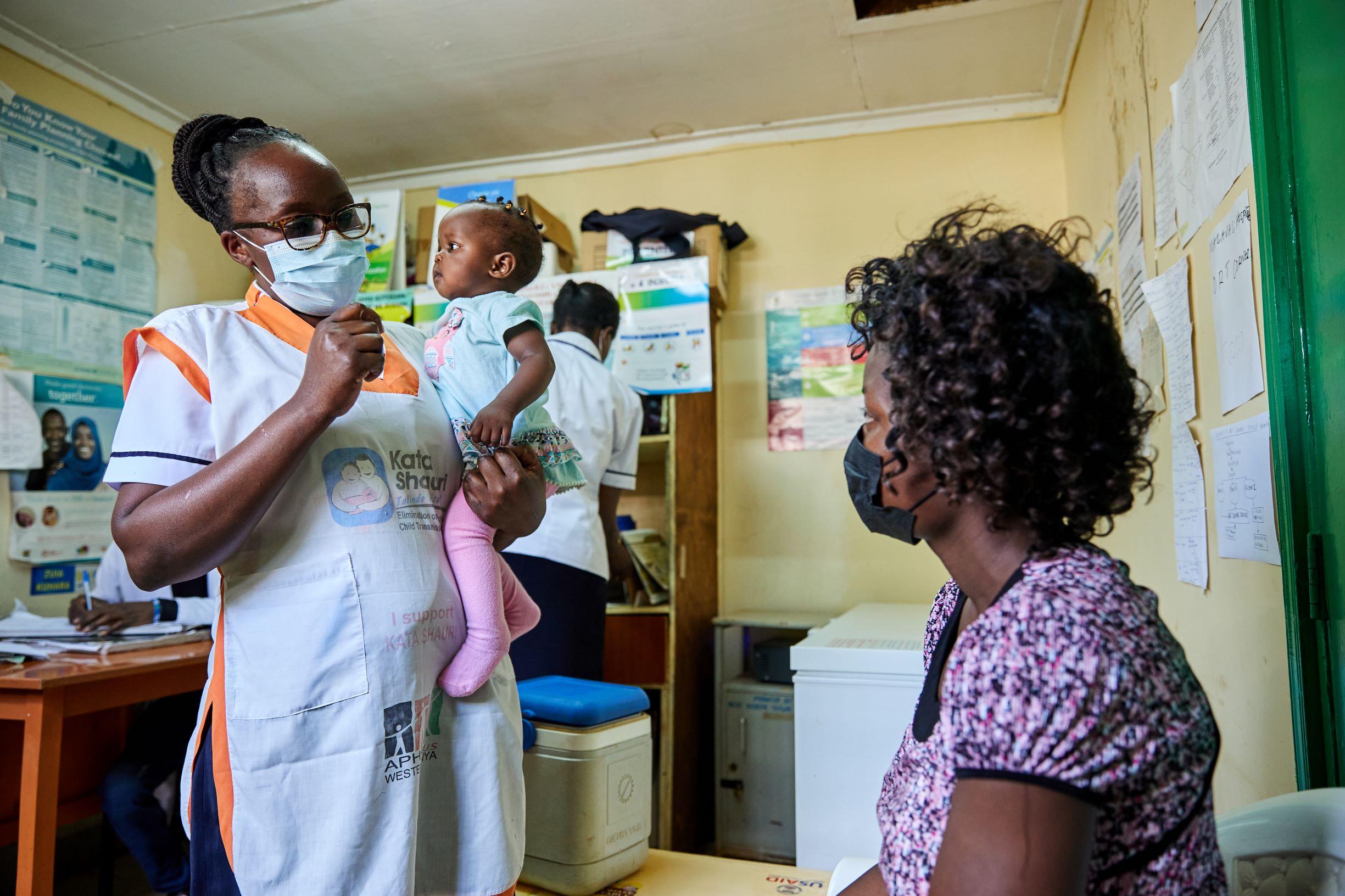
 Kenya has made notable improvements in maternal and child health over the past decade. The maternal mortality ratio has declined, more women are delivering in health facilities, and access to antenatal care has increased in many counties. Public awareness campaigns, better immunization coverage, and expanded reproductive health services have all contributed to this progress.
However, the reality on the ground remains concerning. Thousands of Kenyan women and newborns still lose their lives every year due to preventable causes such as postpartum haemorrhage, eclampsia, sepsis, prolonged labour, and complications from unsafe abortions. Many of these deaths occur not because treatment is impossible, but because help arrives too late.
For newborns, the risks are equally serious. Premature birth, birth asphyxia, infections, and low birth weight continue to threaten infant survival, especially in under-resourced facilities.
Why Some Mothers Are Still at Risk
Rural areas, informal settlements, and arid counties continue to lag behind urban centres in access to quality maternal healthcare. Shortages of skilled birth attendants, inadequate equipment, poor referral systems, and delays in reaching facilities remain major barriers.
Other contributing factors include:
- Long travel distances to health centres
- High transport costs during labour emergencies
- Poverty and inability to afford indirect medical costs
- Poverty and inability to afford indirect medical costs
- Teenage pregnancies and early marriages
- Cultural beliefs that discourage hospital deliveries
- Low male involvement in maternal health decisions
- Inconsistent supply of essential medicines and blood products
In some communities, women still deliver at home without skilled assistance, increasing the risk of complications for both mother and child.
Key Areas Needing Urgent Attention1. Improving Emergency Obstetric Care
County hospitals and sub-county facilities need better theatres, ambulances, blood banks, oxygen supply, and trained emergency staff. Fast response during labour complications can mean the difference between life and death.
2. Strengthening Community Health Promoters (CHPs)
Community Health Promoters play a vital role in identifying pregnancies early, encouraging clinic attendance, monitoring danger signs, and connecting mothers to care.
3. Addressing Teenage Pregnancies
Teenage mothers face higher risks of complications, school dropout, poverty, and poor newborn outcomes. Comprehensive reproductive health education and youth-friendly services are essential.
4. Better Maternal Nutrition
Expectant mothers need access to iron supplements, folic acid, balanced diets, and regular monitoring to reduce anaemia, low birth weight, and stunting.
5. Mental Health Support
Pregnancy-related anxiety, depression, and postpartum mental health challenges often go unnoticed. Maternal care should include emotional wellbeing, not just physical health.
Positive Signs of Progress
Positive developments include the rollout of the Linda Mama programme, increased government investment in reproductive health, and stronger partnerships with county governments. Several NGOs and private sector players are also stepping up with innovative solutions such as:
- Mobile maternity clinics
- Digital tools for tracking pregnancies
- SMS reminders for antenatal appointments
- Telemedicine consultations
- Solar-powered rural health centres
- Free dignity kits for vulnerable mothers
These innovations are helping close the gap in hard-to-reach areas.
What Individuals and Communities Can Do
- Encourage pregnant women to attend all recommended antenatal visits
- Promote male involvement in maternal health matters
- Help families prepare transport plans before delivery dates
- Support local health facilities through volunteering or donations
- Advocate for better funding and staffing of maternal health services
- Educate young girls on reproductive health and life planning
- Support breastfeeding and postnatal care for new mother
- Why Maternal Health Matters Economically
When a mother dies or becomes severely ill, families often face emotional trauma, lost income, disrupted childcare, and increased poverty. Healthy mothers are central to strong households, productive communities, and national development.
Every shilling invested in maternal health creates long-term returns through healthier children, reduced healthcare costs, and stronger economic participation.
The Bottom Line
Every mother and child saved strengthens families and the nation. As Kenya works towards United Nations Goal 3 (Good Health and Well-being), closing the remaining gaps in maternal healthcare must remain a national priority.
No woman should lose her life while giving life. With stronger systems, informed communities, and sustained investment, Kenya can make safe motherhood a reality for all.
Are you a healthcare worker, mother, or community leader? What challenges or success stories have you witnessed in maternal health in your area? We welcome your stories and expert opinions for future features.