

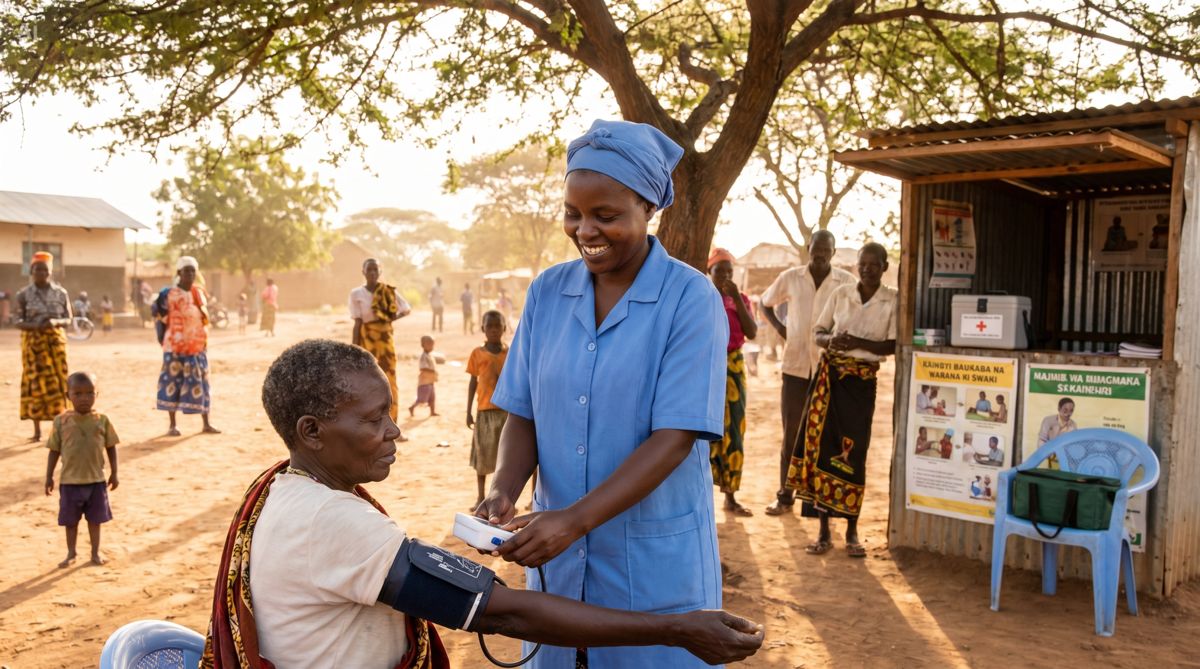
 Kenya’s healthcare system has long been defined by its response to illness-treating malaria, managing childbirth complications, and fighting infectious diseases. Yet a quiet shift is underway. Across urban estates and rural villages alike, a growing recognition is emerging: preventing disease is more powerful, and far more sustainable, than merely treating it. Preventive care is becoming the silent hero of Kenya’s health revolution.
For decades, Kenya focused primarily on infectious diseases. Today, non-communicable diseases (NCDs) such as diabetes, hypertension, heart disease, and certain cancers are surging, placing immense pressure on an already stretched healthcare system.
Urbanisation, changing diets, sedentary lifestyles, and stress have accelerated this trend. Many Kenyans in both cities and rural areas now face elevated risks. Diabetes and hypertension, once considered “diseases of the affluent,” now cut across income levels and geographies. Late diagnosis often means higher treatment costs, complications such as kidney failure, stroke, or amputations, and greater strain on families and public facilities.
The good news? Most of these conditions are highly preventable or manageable when caught early. From Treatment to Wellness: Embracing Preventive Living
True health security begins with daily choices. Kenya has a rich heritage of preventive wisdom embedded in its traditional diets and lifestyles. The challenge today is reclaiming and adapting that wisdom in a modern context.
Diet: Traditional vs Processed
- Traditional Kenyan meals-centred on whole grains (millet, sorghum, maize), indigenous vegetables (sukuma wiki, mrenda, terere), beans, legumes, and moderate lean proteins-offer natural protection against NCDs. These foods are high in fibre, micronutrients, and antioxidants.
- In contrast, the rise of ultra-processed foods, sugary drinks, refined carbohydrates, and excessive salt has contributed heavily to the NCD surge.
Practical preventive steps include:
- Prioritising home-cooked meals using locally available ingredients.
- Reducing sugar, salt, and cooking oil intake.
- Incorporating more vegetables and fruits into every meal.
- Practising portion control and mindful eating.
Physical activity remains equally vital. Walking, farming, cycling, or simple home exercises can dramatically lower risks of hypertension and diabetes. Even 30 minutes of moderate activity most days makes a measurable difference.
Early Detection Through Regular Check-UpsPrevention is incomplete without early screening. Many NCDs develop silently for years before symptoms appear. Regular health checks can detect problems at a stage when they are still reversible or easily managed.
Community health centres, dispensaries, and Level 2 and 3 facilities across the country are increasingly offering affordable or free screening for blood pressure, blood sugar, BMI, and basic cancer checks. Kenyans are encouraged to visit these facilities even when they feel perfectly healthy-at least once or twice a year.
Families can also play a powerful role by encouraging one another to get checked and normalising preventive visits as part of responsible self-care. A Shared Responsibility
The shift to preventive care requires collaboration:
- Individuals and families must take ownership of daily habits.
- Communities can organise health talks, fitness groups, and traditional food festivals.
- The government and partners continue expanding access to primary care, awareness campaigns, and affordable screening.
- Schools and workplaces can integrate health education and support wellness programmes.
When prevention becomes a national culture, Kenya stands to gain healthier citizens, reduced healthcare expenditure, and greater productivity.
Conclusion: Cultivating WellnessPreventive care is not about fear of disease-it is about hope and empowerment. It is about choosing wellness today so that tomorrow’s hospitals are less crowded and tomorrow’s families are stronger.
Every Kenyan, whether in Nairobi, Kisumu, Eldoret, or the smallest village, has the power to participate in this health revolution. By embracing traditional wisdom, making intentional lifestyle choices, and committing to regular check-ups, we move from a sick-care system to a true health-care system.
The silent hero is already at work. The question is whether each of us will join it.