

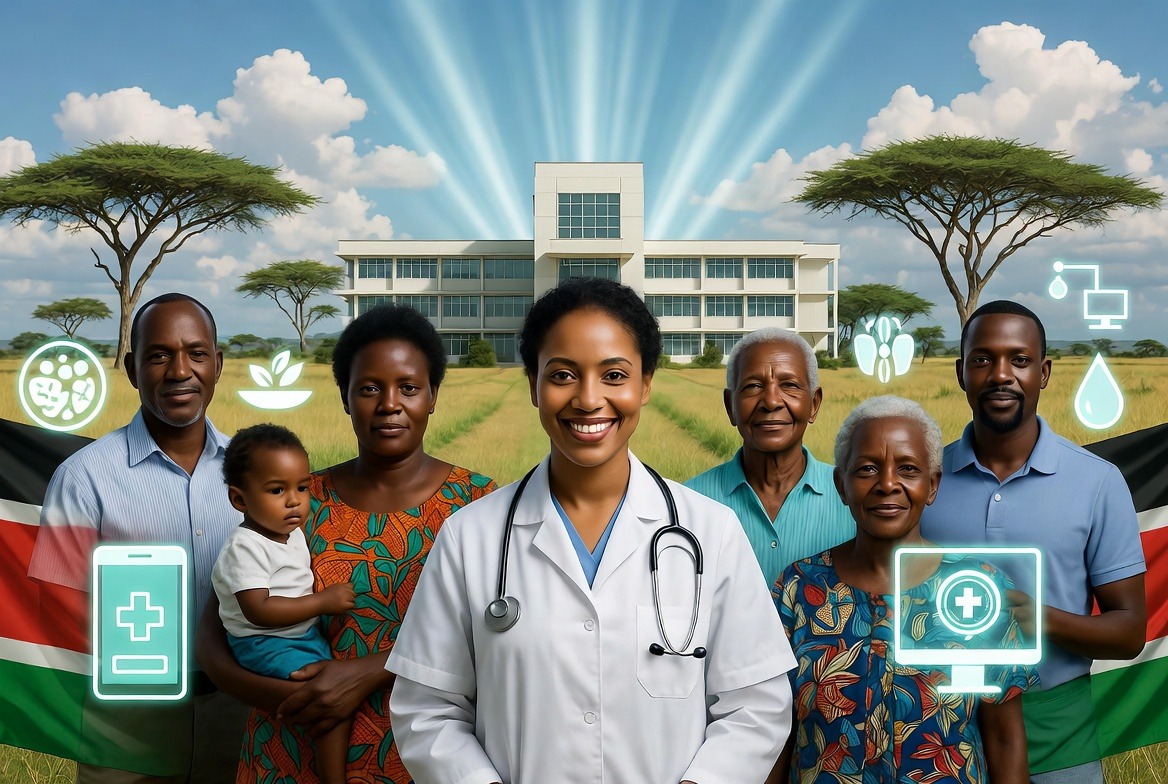
Welcome to our in-depth analysis of the current state of healthcare in Kenya. As the Healthy Kenya Lead Communicator, my goal is to provide you with authoritative yet accessible information on the latest developments in public health, corporate and institutional wellness, holistic lifestyle, and medical innovation. In this blog post, we will delve into the key trends shaping the healthcare landscape in Kenya, highlighting successes, challenges, and opportunities for growth.
Public Health Advocacy: Progress Towards Universal Health Coverage (UHC)
Kenya has made significant strides towards achieving Universal Health Coverage (UHC), a key pillar of the country’s healthcare reform agenda. The government has implemented various initiatives aimed at increasing access to healthcare services, including the establishment of the National Hospital Insurance Fund (NHIF) and the rollout of the Linda Mama program, which provides free maternity services to pregnant women. These efforts have contributed to a notable reduction in maternal and infant mortality rates, with the country recording a decline in maternal deaths from 488 per 100,000 live births in 2013 to 362 per 100,000 live births in 2020.
Despite this progress, challenges persist, including inadequate healthcare infrastructure, shortages of skilled healthcare professionals, and disparities in access to healthcare services, particularly in rural and underserved areas. To address these gaps, the government and healthcare stakeholders must prioritize investments in healthcare infrastructure, workforce development, and innovative service delivery models that can reach marginalized populations.
Corporate and Institutional Wellness: Promoting Healthy Workplaces and Communities
A healthy and productive workforce is essential for driving economic growth and development in Kenya. Many organizations are recognizing the importance of promoting workplace wellness, with some implementing employee wellness programs that include health screenings, fitness classes, and mental health support services. These initiatives not only improve employee health and well-being but also enhance productivity, reduce absenteeism, and boost job satisfaction.
Institutional wellness is also critical in schools, universities, and other community settings. The government and educational institutions have introduced various initiatives aimed at promoting healthy lifestyles among students, including school feeding programs, physical education, and health education. These efforts are crucial in shaping the health and well-being of future generations and must be sustained and expanded to reach more young people.
Holistic Lifestyle: The Importance of Nutrition, WASH, and Community Outreach
A holistic approach to health recognizes the interconnectedness of physical, mental, and social well-being. In Kenya, there is a growing emphasis on promoting healthy lifestyles through nutrition, water, sanitation, and hygiene (WASH), and community outreach programs. The government and civil society organizations are working together to improve access to nutritious food, clean water, and sanitation facilities, particularly in rural and underserved areas.
Community outreach programs are also playing a vital role in promoting health education, disease prevention, and health promotion. These initiatives often involve community health workers, who provide basic healthcare services, conduct health screenings, and refer patients to healthcare facilities when necessary. By leveraging community outreach programs, Kenya can strengthen its primary healthcare system and improve health outcomes, particularly in areas where healthcare services are scarce.
Medical Innovation: Harnessing Technology and Local Manufacturing to Improve Healthcare
Medical innovation is transforming the healthcare landscape in Kenya, with the adoption of digital health technologies, local manufacturing of medical products, and cutting-edge research in East African institutions. The use of telemedicine, electronic health records, and mobile health applications is improving access to healthcare services, enhancing patient engagement, and streamlining clinical workflows.
Local manufacturing of medical products, such as pharmaceuticals and medical devices, is also gaining momentum, with several companies investing in production facilities and research and development. This trend has the potential to reduce Kenya’s reliance on imported medical products, improve access to essential medicines, and create jobs in the healthcare sector.
Advice for the Public: Taking Charge of Your Health and Well-being
As we navigate the complexities of Kenya’s healthcare system, it is essential for individuals to take charge of their health and well-being. This includes adopting healthy lifestyles, such as regular exercise, balanced diets, and adequate sleep, as well as seeking regular health check-ups and screenings. By prioritizing preventive care, individuals can reduce their risk of chronic diseases, such as diabetes, hypertension, and cancer, and improve their overall quality of life.
It is also crucial for individuals to stay informed about the latest health trends, research, and innovations in Kenya. By engaging with healthcare professionals, community health workers, and health advocates, individuals can access accurate and reliable information, make informed decisions about their health, and demand high-quality healthcare services from providers.
In conclusion, Kenya’s healthcare landscape is undergoing significant transformations, driven by advances in public health, corporate and institutional wellness, holistic lifestyle, and medical innovation. While challenges persist, there are many opportunities for growth, innovation, and improvement. As individuals, we must take charge of our health and well-being, prioritize preventive care, and demand high-quality healthcare services from providers. Together, we can build a healthier, more equitable, and more prosperous Kenya for all.