

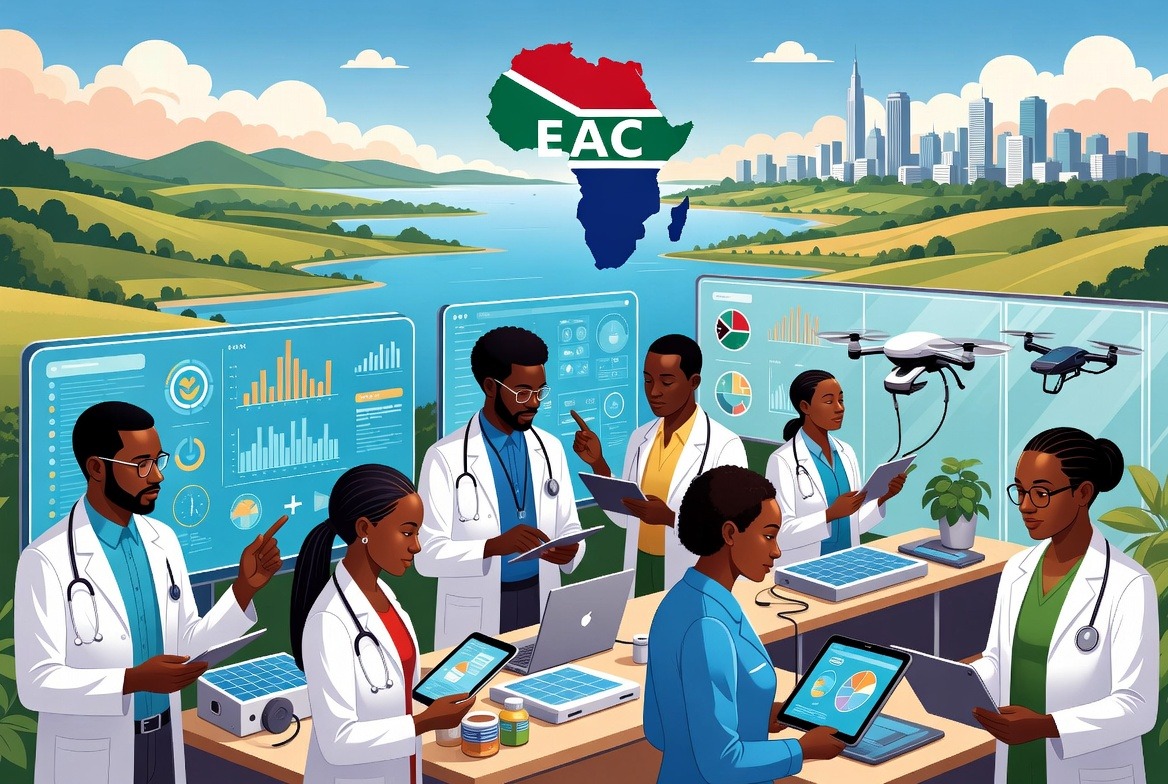
As we navigate the complexities of the 21st century, medical innovation has become a vital component in the pursuit of better health outcomes. In East Africa, the region is witnessing a surge in medical innovation, driven by the need to address the unique health challenges facing the population. In this blog post, we will delve into the recent developments in medical innovation in East Africa, with a focus on Kenya, and explore the potential of this trend to transform the health landscape in the region.
Regional Cooperation: A Catalyst for Medical Innovation
The recent admission of the Federal Republic of Somalia as a full member of the East African Community (EAC) is a significant milestone in the region’s journey towards economic integration and cooperation. With a total of 8 member states, the EAC is poised to become a major player in the global health landscape. The EAC’s institutions and organs, including the EAC Secretariat, the East African Legislative Assembly, and the East African Court of Justice, will play a crucial role in promoting regional cooperation and development in the health sector.
The EAC’s commitment to regional cooperation is evident in its efforts to strengthen health systems, improve access to healthcare, and promote medical innovation. The region’s health challenges, including the burden of infectious diseases, non-communicable diseases, and maternal and child health issues, require a coordinated response. By working together, EAC member states can leverage their collective resources, expertise, and experiences to develop innovative solutions to these challenges.
Environmental Health: A Critical Component of Medical Innovation
Lake Victoria, the world’s largest tropical lake, is a vital component of the region’s ecosystem and a source of livelihood for millions of people. However, the lake is facing numerous environmental and human-induced threats, including pollution, overfishing, and climate change. The preservation of Lake Victoria is crucial for the region’s health and wellbeing, as it provides a source of food, power, and sustenance for the population.
Medical innovation in East Africa must take into account the region’s environmental health challenges. This includes developing innovative solutions to address the impact of environmental degradation on human health, such as the development of sustainable water treatment technologies and the promotion of eco-friendly practices in healthcare. By prioritizing environmental health, the region can reduce the burden of diseases related to environmental degradation and promote a healthier and more sustainable future.
Healthcare Technology: A Game-Changer for Medical Innovation
Healthcare technology is revolutionizing the medical landscape in East Africa, with the region witnessing a surge in the adoption of digital health solutions. From telemedicine to electronic health records, healthcare technology is improving access to healthcare, enhancing the quality of care, and reducing healthcare costs. In Kenya, for example, the government has launched several initiatives to promote the use of healthcare technology, including the development of a national electronic health record system.
Medical innovation in East Africa is also driven by the region’s vibrant startup ecosystem. Several startups in the region are developing innovative healthcare technologies, including mobile health applications, medical devices, and diagnostic tools. These startups are not only improving access to healthcare but also creating jobs and stimulating economic growth.
Local Manufacturing: A Key Component of Medical Innovation
Local manufacturing is critical to the development of medical innovation in East Africa. By manufacturing medical products and devices locally, the region can reduce its reliance on imports, improve access to essential medicines, and promote economic growth. In Kenya, for example, the government has launched several initiatives to promote local manufacturing, including the development of a pharmaceutical manufacturing hub.
Local manufacturing also provides an opportunity for the region to develop innovative medical products and devices that are tailored to the local context. By leveraging local expertise and resources, the region can develop solutions that address the unique health challenges facing the population. This includes the development of medical devices that are adapted to the local environment, such as solar-powered medical equipment.
Conclusion
Medical innovation in East Africa is a beacon of hope for a healthier future. The region’s commitment to regional cooperation, environmental health, healthcare technology, and local manufacturing is driving the development of innovative solutions to the unique health challenges facing the population. As the region continues to navigate the complexities of the 21st century, medical innovation will play a critical role in promoting health equity, improving health outcomes, and stimulating economic growth.
In Kenya, the government, private sector, and civil society must work together to promote medical innovation and address the health challenges facing the population. This includes investing in healthcare technology, promoting local manufacturing, and protecting the environment. By doing so, we can create a healthier, more sustainable future for all Kenyans and contribute to the region’s vision of a healthier and more prosperous East Africa.
Recommendations
To promote medical innovation in East Africa, we recommend the following:
- Promote regional cooperation and collaboration in the health sector
- Invest in healthcare technology and digital health solutions
- Support local manufacturing and the development of innovative medical products and devices
- Prioritize environmental health and the preservation of the region’s natural resources
- Encourage public-private partnerships and collaboration in the health sector
By working together and leveraging our collective resources and expertise, we can promote medical innovation and create a healthier, more sustainable future for all East Africans.