

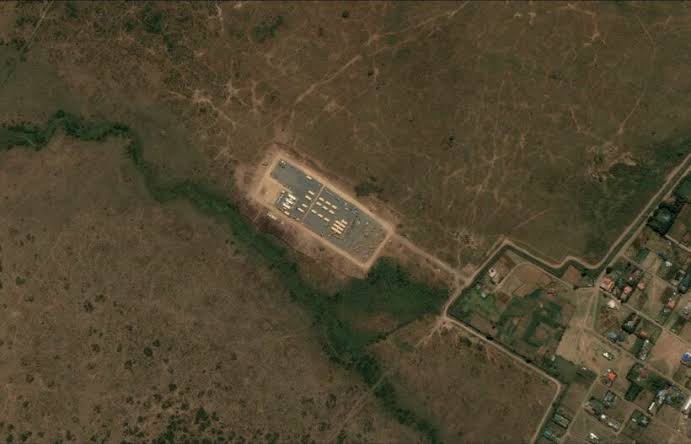
Seven American humanitarian workers involved in the response to an Ebola outbreak in the Democratic Republic of Congo (DRC) are undergoing a 21-day quarantine at a U.S.-backed isolation facility in Kenya.
The aid workers, who are affiliated with the Christian humanitarian organisation Samaritan’s Purse, had been working in the DRC as part of efforts to contain the outbreak. They are reportedly not showing symptoms of Ebola and are being monitored by health personnel as a precautionary measure.
Their quarantine follows a new U.S. policy requiring American citizens returning from the DRC to spend 21 days in a third country before travelling back to the United States. The measure was introduced amid concerns over the potential international spread of Ebola.
The Kenyan facility, designed to accommodate people who may have been exposed to the virus, has attracted significant public attention and controversy. Its establishment has been challenged through legal proceedings, while residents and activists have raised concerns about transparency, public health safeguards and Kenya’s role in the international response.
The development highlights the complex challenges countries face when responding to outbreaks of highly infectious diseases. While quarantine remains an important public health tool for monitoring people who may have been exposed to Ebola, authorities must also ensure that such measures are implemented with strong infection-prevention protocols, transparency and respect for national laws.
Ebola is a severe and potentially fatal viral disease that can spread through direct contact with the blood or bodily fluids of an infected person. Early detection, isolation, contact tracing and strict infection-prevention measures are critical to limiting transmission and protecting healthcare workers and communities.
Kenya’s involvement in the response also underscores the importance of regional preparedness and international cooperation in managing infectious disease threats that can cross borders.